ioniX FS Top-up Units
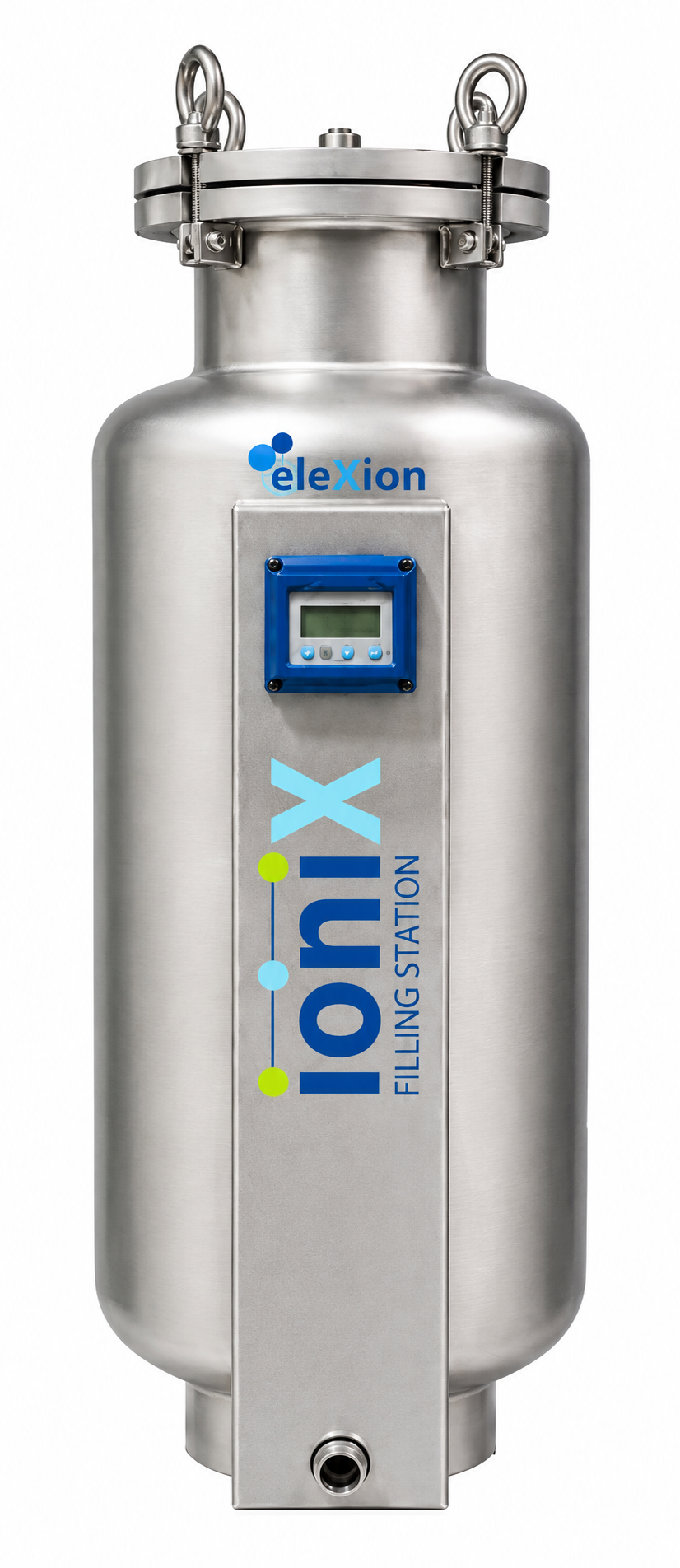
Top-up Water Conditioning
ioniX FS Top-up Units are installed within the plantroom to condition make-up water before it enters commercial and industrial heating and cooling systems.
Using eleXion’s Xi+ ion exchange resin, minerals and salts are removed from incoming water while helping support pH at the point of top-up. This helps maintain low-conductivity, low-hardness system water and protect the water quality established during commissioning.
By conditioning every future top-up, the units help reduce the impact of untreated mains water on conductivity, hardness and long-term corrosion risk.
Why choose ioniX FS Top-up Units?




How ioniX FS Top-up Units Protect Water Quality
Ion Exchange Resin
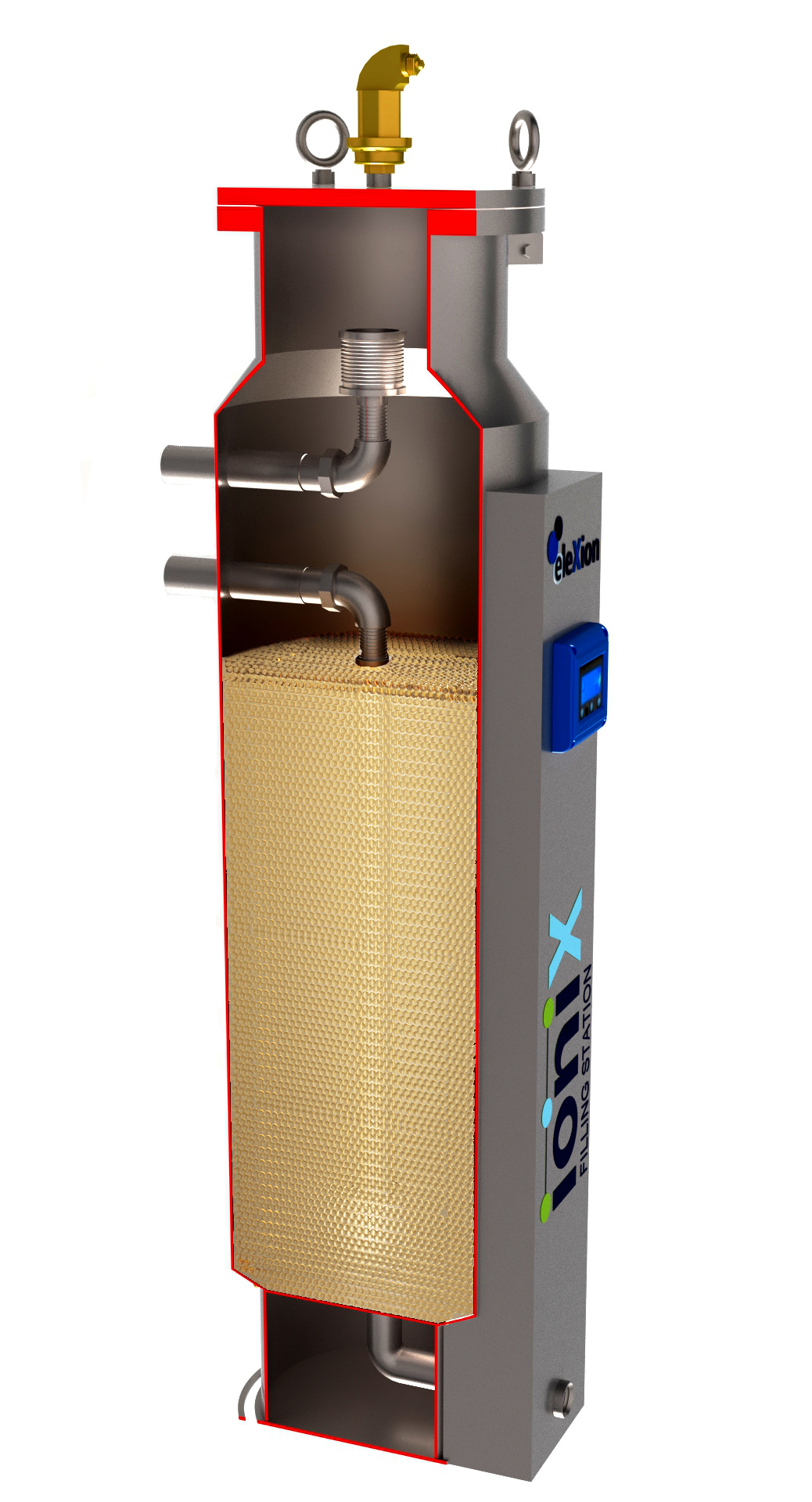
01Incoming water passes through eleXion Xi+ resin, removing minerals and salts to produce low-conductivity top-up water.
pH Support
02The resin helps support suitable pH conditions as new water enters the system.
Conductivity Monitoring
03The integrated measuring computer monitors outlet electrical conductivity, helping confirm treated water quality before it enters the system. BMS alarm outputs are also available.
Flow and Volume Monitoring
04The measuring computer also records current flow rate and total volume, helping operators track make-up water usage over time.
Ongoing Water Quality Protection
05By treating every top-up, the unit helps prevent untreated mains water from gradually increasing conductivity, hardness and mineral content within the system.
Which ioniX FS Top-up Unit is right for your system?
| Product | Recommended capacity | Typical applications |
|---|---|---|
| ioniX FS 6 | Below 1 m³ | Wall hung unit for small commercial heating and cooling systems |
| ioniX FS 15 | Below 2 m³ | Small to medium commercial heating and cooling systems |
| ioniX FS 25 | 2 to 10 m³ | Commercial HVAC, chilled water and communal systems |
| ioniX FS 50 | Above 10 m³ | Larger commercial and industrial systems |
| ioniX FS 100 | Larger networks | Large commercial, industrial and communal systems |
| Bespoke Skids | Sized to suit application | Custom top-up solutions for larger systems and heat networks |
Contact Us to Discuss Your Project
Frequently Asked Questions
What is an ioniX FS Top-up Unit used for?
ioniX FS Top-up Units condition make-up water before it enters commercial and industrial heating and cooling systems. They help maintain the low-conductivity water conditions established during commissioning by treating every future system top-up.
How does an ioniX FS Top-up Unit work?
Incoming mains water passes through eleXion Xi+ ion exchange resin before entering the closed-loop system. The resin removes dissolved minerals and salts, helping maintain low-conductivity, low-hardness make-up water while supporting pH at the point of top-up.
Why should make-up water be treated in a closed-loop system?
Untreated mains water can introduce minerals and salts into commercial and industrial heating and cooling systems. Over time, repeated top-ups can increase conductivity and hardness, affecting the water quality established during commissioning. Conditioning each top-up helps maintain more stable system water conditions.
Are ioniX FS Top-up Units permanently installed?
Yes. ioniX FS Top-up Units are designed for permanent installation within the plantroom so that make-up water is conditioned each time the system requires topping up.
Are ioniX FS Top-up Units suitable for commercial and industrial systems?
Yes. The range is designed for commercial and industrial heating and cooling systems, including larger plantrooms, communal heating systems and other closed-loop applications where ongoing make-up water conditioning is required.
Can ioniX FS Top-up Units be used on chilled water systems?
Yes. They can be used to condition make-up water for both heating and chilled water systems, helping maintain low-conductivity water conditions within the closed loop.
Do ioniX FS Top-up Units use chemical additives?
No chemical dosing is required for the water conditioning process. The system uses eleXion Xi+ ion exchange resin to remove dissolved minerals and salts from incoming make-up water while helping support pH.
What water quality do ioniX FS Top-up Units support?
The units are designed to support low-salt, low-conductivity make-up water for commercial and industrial heating and cooling systems. The current technical information states total hardness below 0.1 °dH and electrical conductivity below 10 µS/cm within the applicable capacity range.
What does the ioniX FS measuring computer monitor?
Depending on the model, the integrated measuring computer monitors outlet electrical conductivity, current flow rate and total water volume. This helps operators check treated make-up water quality and record system top-up activity.
Do ioniX FS Top-up Units support VDI 2035?
Yes. ioniX FS Top-up Units support systems designed around VDI 2035 and VDI 6044 water quality principles, alongside SWKI BT 102-01 and Ö-NORM H 5195-1.
Which ioniX FS Top-up Unit do I need?
Selection depends on system volume, expected make-up water demand and project requirements. The range includes FS 15, FS 25, FS 50 and Twin Skid FS 100 models for different commercial and industrial applications. Refer to our table above for guidance.
What is the difference between an ioniX FS Top-up Unit and a mobile filling station?
An ioniX FS Top-up Unit remains installed in the plantroom to condition make-up water throughout the life of the system. A mobile filling station is primarily used for initial filling, commissioning or temporary inline conditioning and can be moved between projects.
Can an ioniX FS Top-up Unit help protect water quality after commissioning?
Yes. By treating each future addition of make-up water, the unit helps limit the introduction of dissolved minerals and salts, supporting more consistent water quality in commercial and industrial heating and cooling systems after commissioning.
Why is low-conductivity make-up water important?
Low-conductivity make-up water helps support controlled water quality within closed-loop heating and cooling systems. By reducing the level of dissolved salts entering the system, it can help support long-term corrosion control and more stable operating conditions.