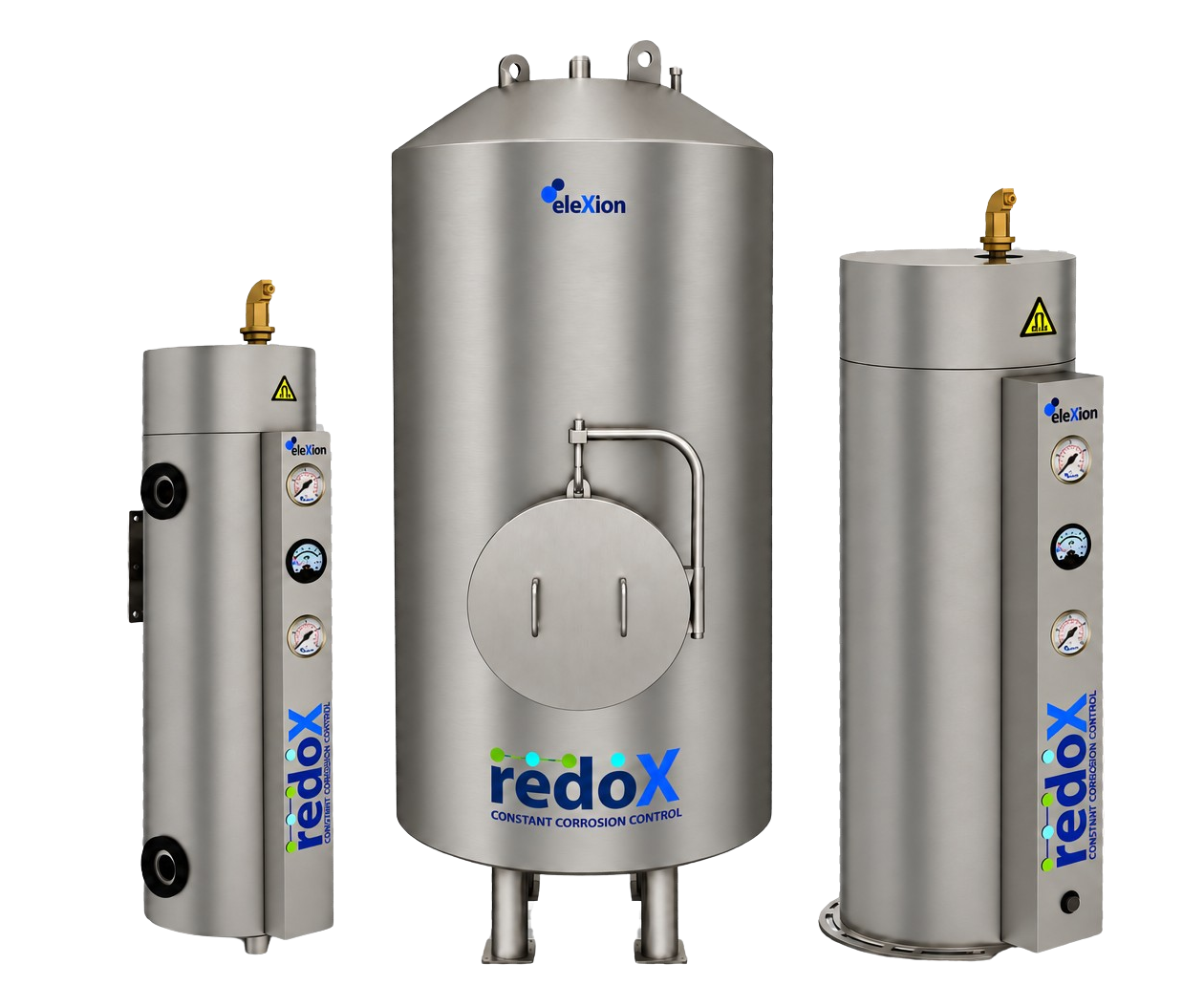
redoX Range
Chemical Free Protection
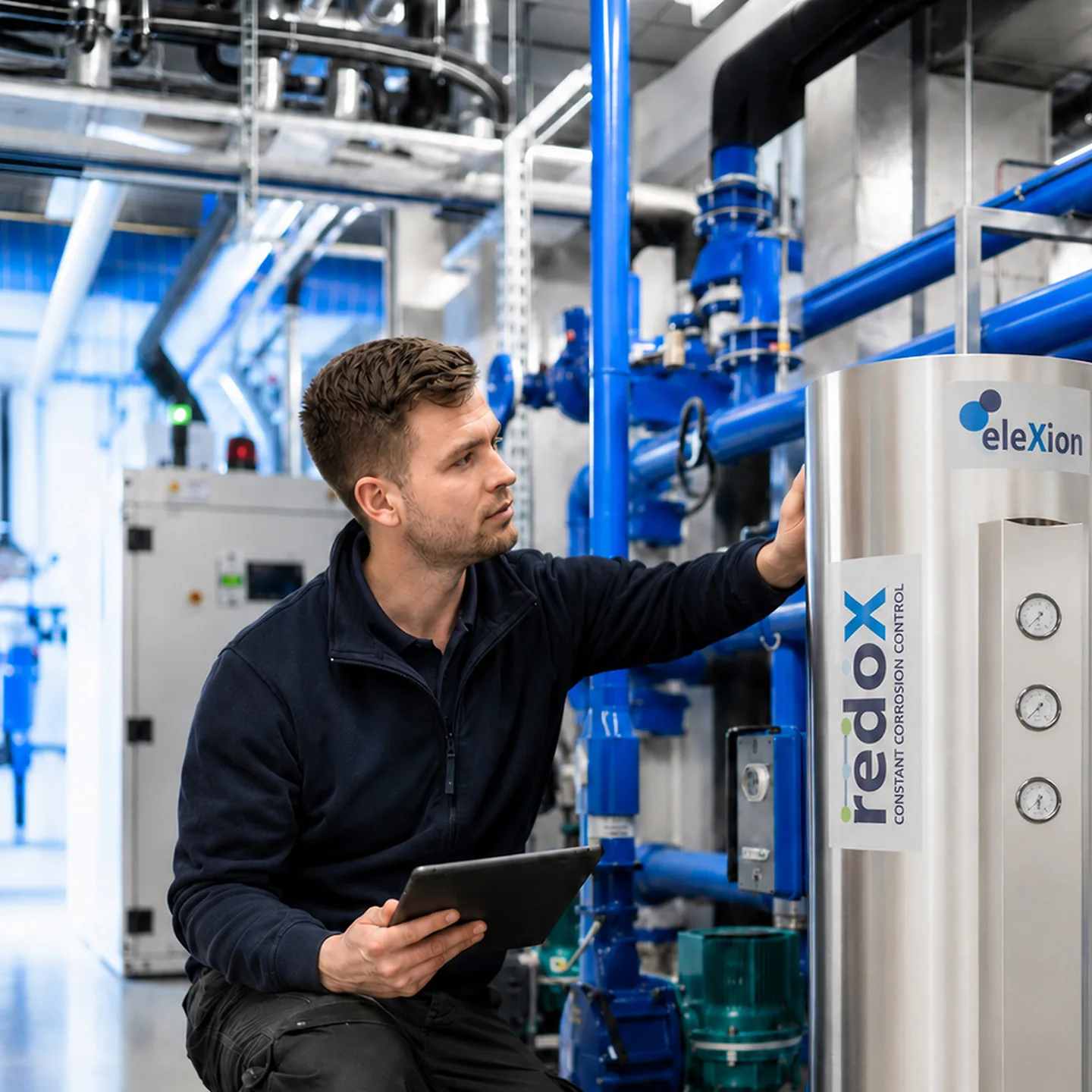
redoX is a chemical-free water treatment range for closed-loop heating and chilled water systems.
By controlling dissolved oxygen, conductivity and pH, and removing magnetite and system debris, redoX helps create stable system water conditions, reduce corrosion risk and protect long-term system performance.
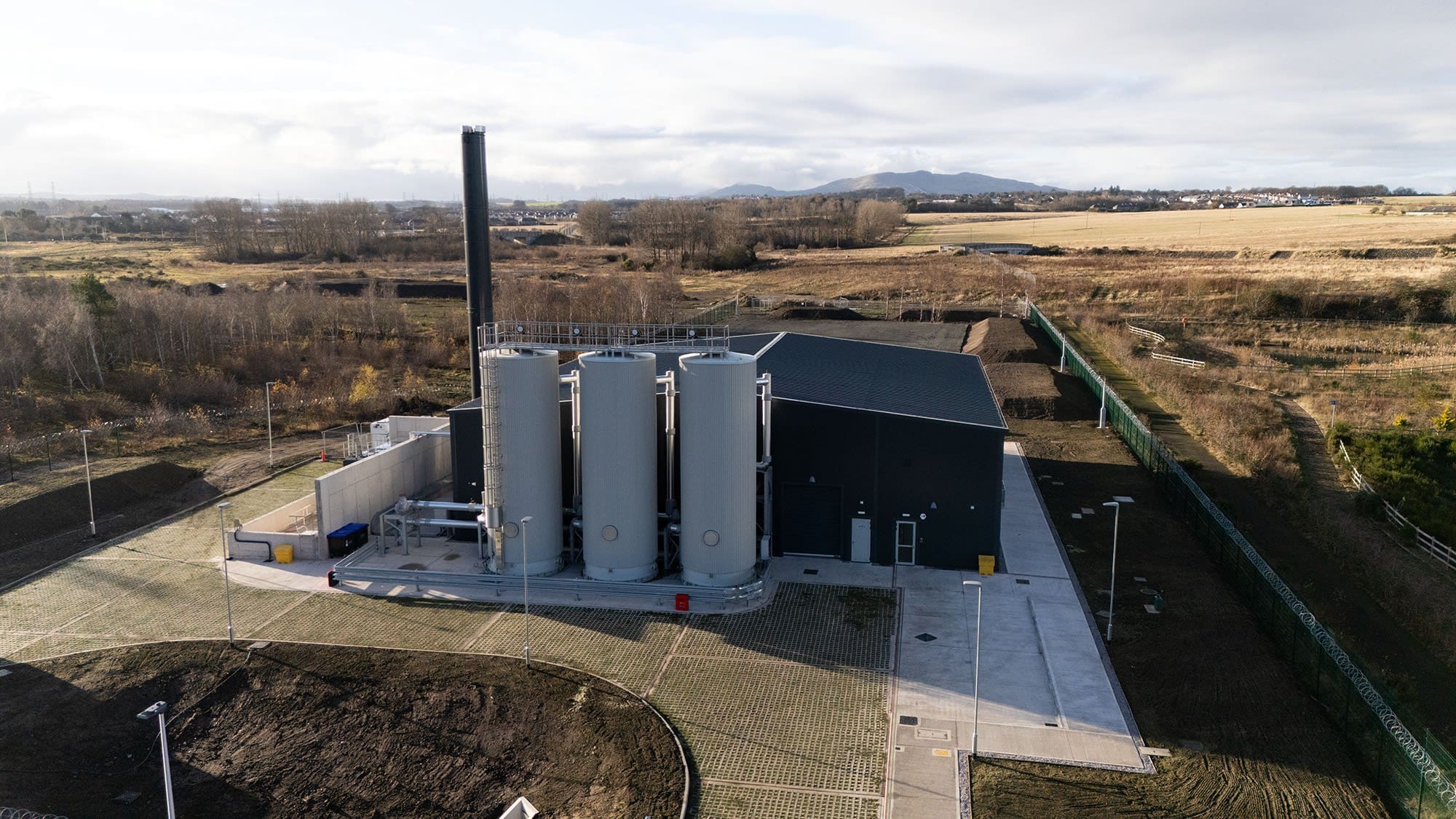
The range is suitable for applications from domestic heat pumps and commercial HVAC systems through to district heating, cooling and larger network applications.
Why Choose redoX?








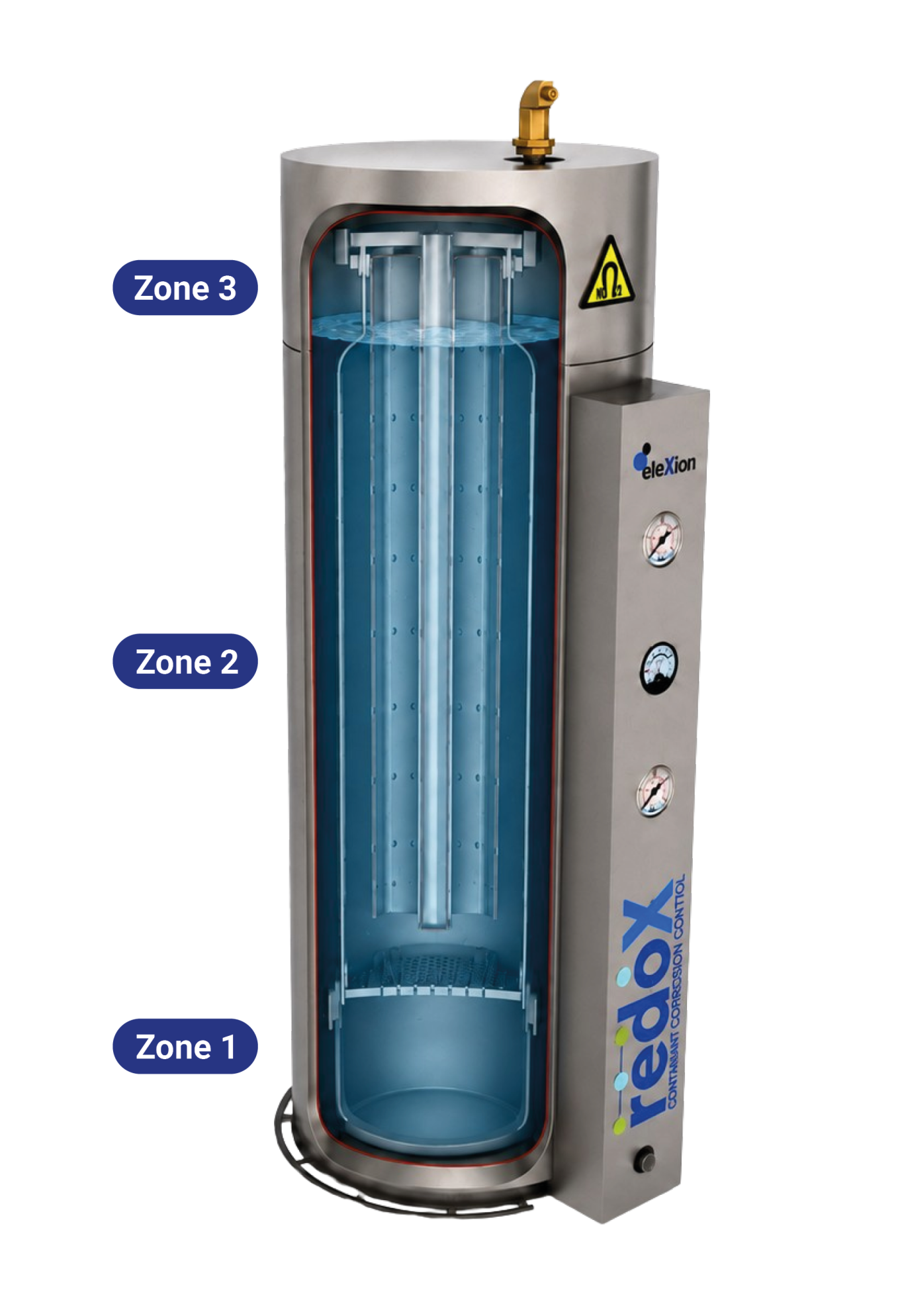
How redoX protects your system
Oxygen Removal
01High-purity magnesium anodes continuously remove dissolved oxygen from system water, helping maintain the low-oxygen conditions required to reduce corrosion risk in closed-loop systems.
Filtration & Magnetic Separation
02Integrated filtration and high-strength neodymium magnets capture debris, magnetite and ferrous particles before they can circulate around the system.
Air & Dirt Separation
03Exclusive three-zone technology separates air and debris from system water.
Zone 1: Larger deposits settle in the low-velocity area. An air and dispersion plate agitates the flow, helping collect more debris while releasing microbubbles into Zone 2.
Zone 2: Microbubbles are automatically vented.
Zone 3: Finer debris is captured by the full-body filter before cleaner water returns to the system.
High Grade 316 Stainless Steel
04redoX uses high grade 316 stainless steel for water-contact surfaces, offering enhanced corrosion resistance compared with standard 304 stainless steel alternatives.
Intelligent Monitoring
05Optional BMS connectivity allows remote monitoring of – anode performance, filter pressure and water usage
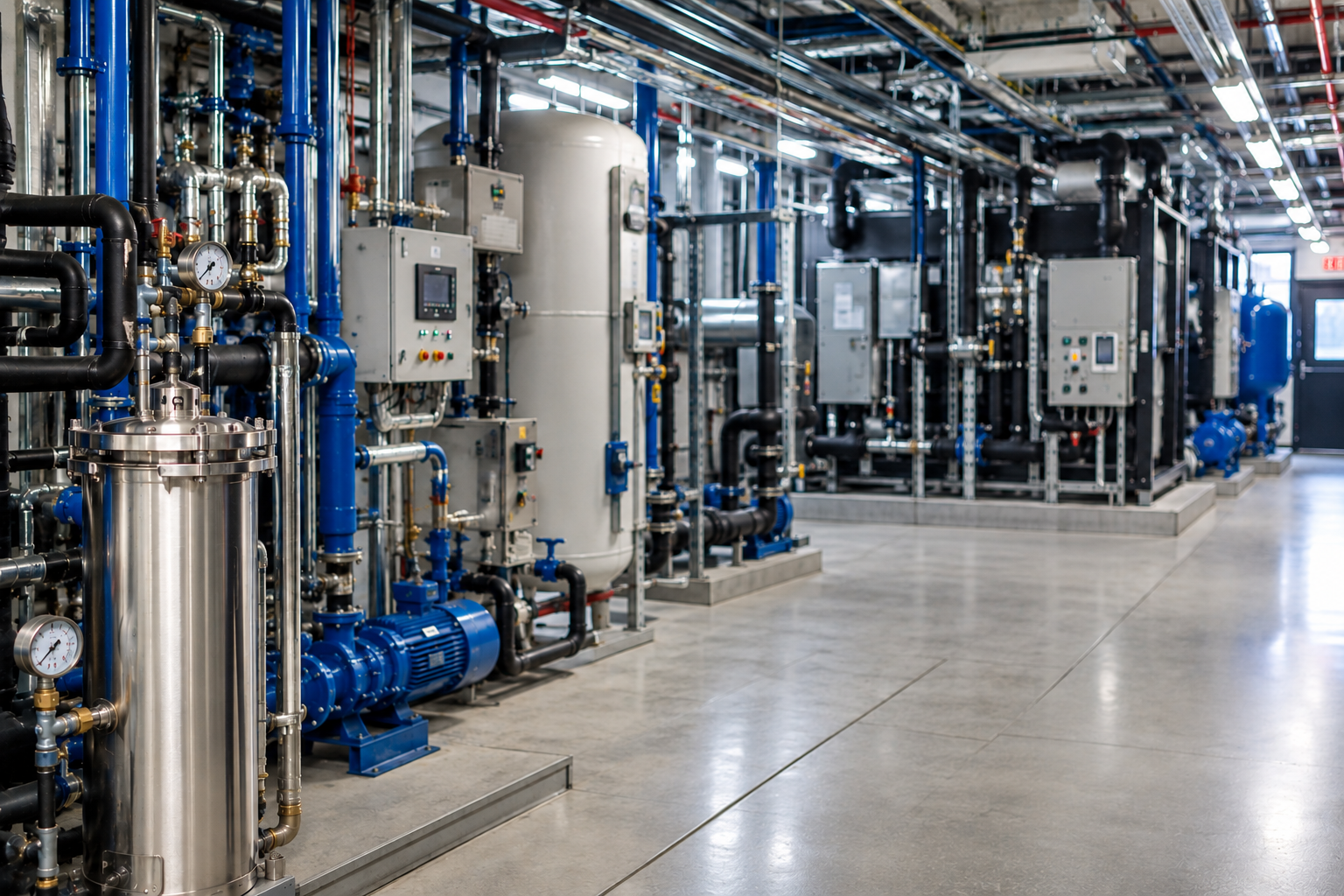
Water Quality Has a Commercial Impact
Poor water quality can create hidden costs across a heating or cooling system, from chemical dosing and maintenance visits to call-backs, remedial work and premature equipment wear.
redoX helps reduce these risks by supporting cleaner, low-oxygen system water without ongoing chemical dosing. This can help project teams reduce avoidable return visits, lower maintenance pressure and protect high-value plant over the long term.

What This Means for Your Project
Consultants and specifiers
Supports recognised water quality principles and helps build a stronger lifecycle case for chemical-free corrosion protection.
Contractors and commissioning teams
Cleaner system water from the start can support smoother handover and fewer call-backs linked to air, dirt and poor water quality.
Building owners and FM teams
Reduced dosing, monitoring and maintenance demands help lower ongoing treatment costs, while optional BMS connectivity gives greater visibility of system condition.
For heat networks and larger systems
Scalable corrosion protection supports larger closed-loop systems and helps operators take a more structured approach to water quality control as HNTAS and wider heat network assurance requirements develop.
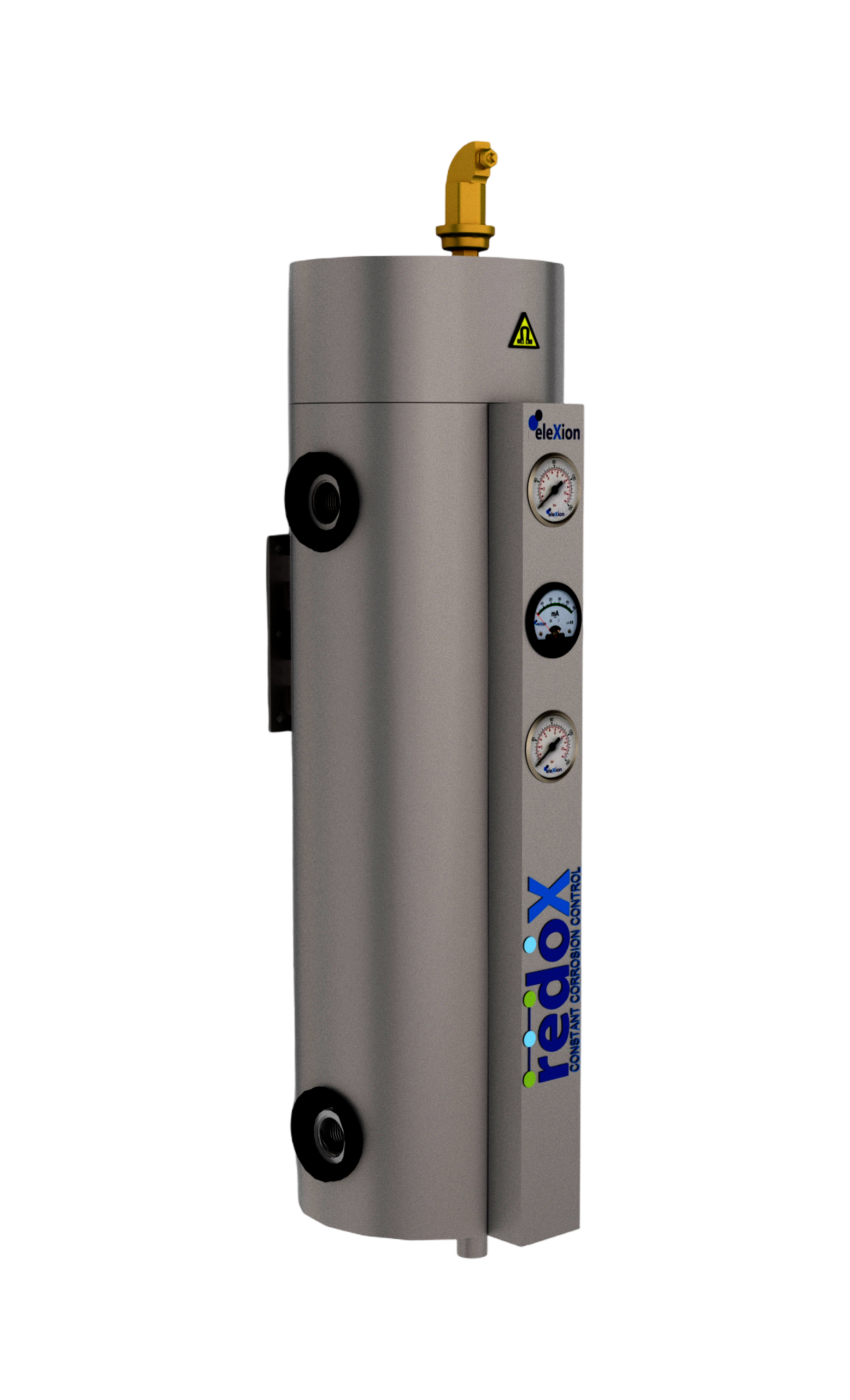
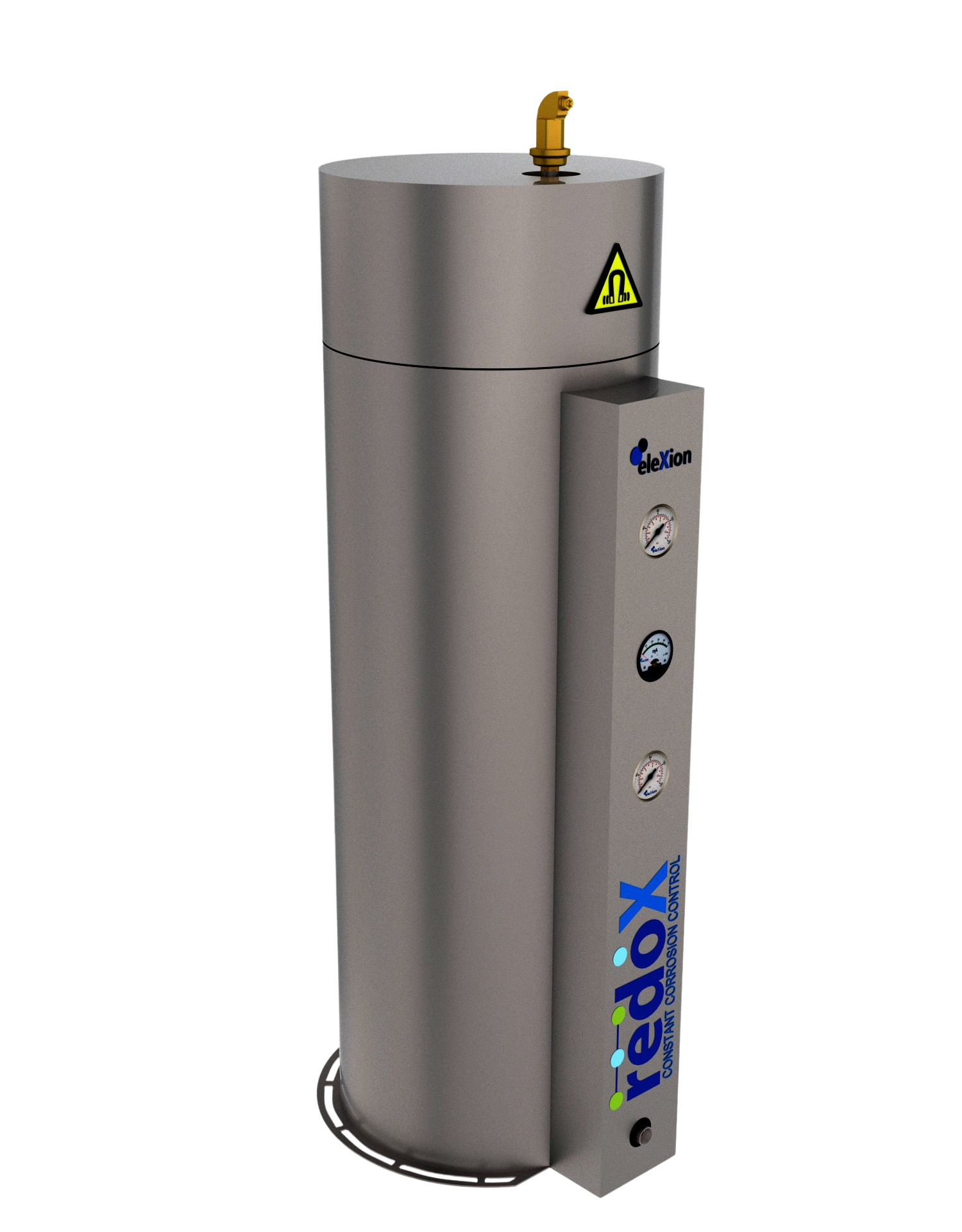
Which redoX system is right for you?
|
|
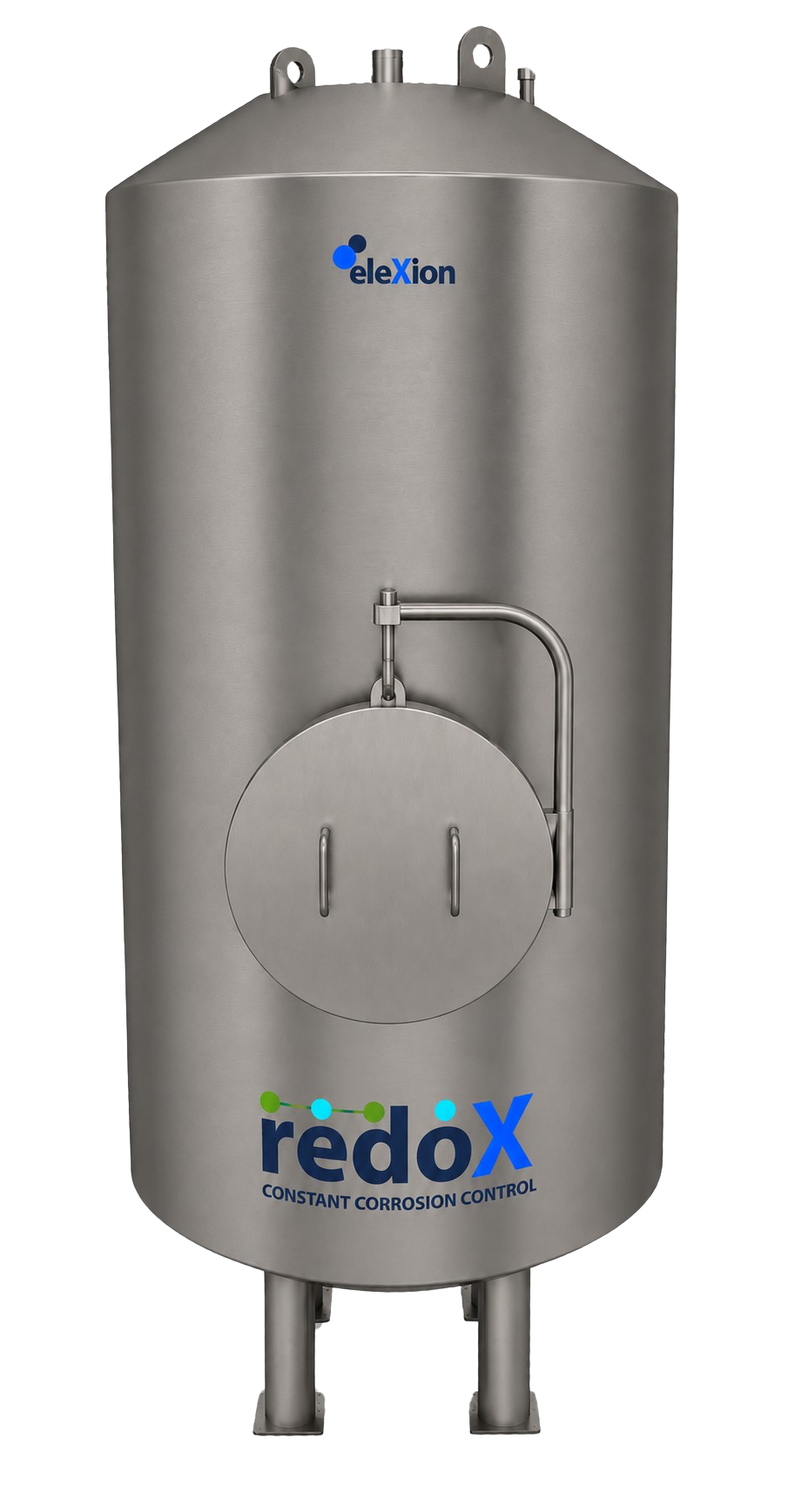
|
|
| redoX HP | redoX | redoX HC+ | |
| Size | Up to 5m³ | 6 - 100m³ | 100 - 1000m³ |
| Applications | Domestic Heat Pumps, Low-temperature Heating, Light Commercial | Commercial HVAC, Chilled Water, Communal Heating | Data Centres, District Heat Networks, Industrial |
| Installation | Full Flow / Side Stream | Side Stream | Side Stream |
Contact Us to Discuss Your Project
Frequently Asked Questions
What is redoX chemical-free water treatment?
Designed for closed-loop heating and chilled water systems, redoX is a chemical-free water treatment range that helps protect systems from corrosion, debris and performance loss. It works by removing dissolved oxygen, magnetite, microbubbles and system debris without relying on ongoing chemical dosing.
How does redoX help reduce corrosion risk?
Corrosion risk is reduced by removing dissolved oxygen from system water using high-purity magnesium anodes. Lower oxygen levels help create more stable system conditions, supporting the protection of pipework, pumps, valves, heat exchangers and other key plant.
What does “depleted water” mean in HNTAS and FairHeat guidance?
In HNTAS and FairHeat technical guidance, a depleted water system refers to a system where water quality is controlled through demineralisation and the preservation of low conductivity to provide long-term corrosion protection for pipework and equipment. redoX can support this approach by helping control dissolved oxygen, conductivity and system cleanliness.
Does redoX require chemical dosing?
No. The system provides continuous chemical-free corrosion protection without ongoing inhibitor dosing. This helps reduce chemical purchase, handling, storage, dosing and monitoring requirements over the life of the system.
What is the difference between redoX HP, redoX and redoX HC+?
The three models use the same chemical-free water treatment technology but are designed for different system sizes and applications.
• redoX HP is for domestic heat pumps, low-temperature heating and light commercial systems up to 5m³.
• redoX is for commercial HVAC, chilled water and communal heating systems from 6–100m³.
• redoX HC+ is for data centres, district heat networks and industrial systems from 100–1000m³.
Can redoX reduce maintenance costs?
Cleaner, low-oxygen system water can help reduce maintenance demands linked to poor water quality. This may lower the need for chemical monitoring, dosing visits and avoidable maintenance intervention over time.
Can redoX help reduce contractor call-backs?
Cleaner system water from the start can support smoother commissioning and handover, helping reduce call-backs linked to air, dirt, magnetite and poor water quality. This is particularly useful for contractors and commissioning teams who need systems to perform reliably after installation.
Can redoX be installed on existing heating and cooling systems?
Both new-build and existing closed-loop heating and cooling systems can be supported. On existing systems, the technology can help improve circulating water quality by removing dissolved oxygen, magnetite, microbubbles and debris.
Does redoX support BSRIA BG50, VDI 2035 and VDI 6044?
Yes. The technology supports the principles of BSRIA BG50, VDI 2035 and VDI 6044 by helping maintain cleaner, more stable system water with low oxygen conditions, controlled conductivity and reduced reliance on chemical dosing.
Is redoX suitable for heat pump systems?
Yes. For domestic heat pump, low-temperature heating and light commercial applications up to 5m³, redoX HP has been specifically designed to provide chemical-free system protection. It helps protect heat pump systems from corrosion and debris while supporting low-conductivity system water.
Can redoX be used on chilled water systems?
Heating and chilled water applications are both supported by the redoX range. On closed-loop chilled water systems, it can help reduce corrosion risk, improve water quality and protect key system components.
Is redoX suitable for heat networks and larger systems?
Larger systems from 100–1000m³ can be supported with redoX HC+, including data centres, district heat networks and industrial applications. The scalable range is suited to projects where system volume, asset value and operational risk are higher.
How does redoX support heat network technical assurance?
For heat networks and larger closed-loop systems, good water quality control is an important part of long-term system management. redoX helps operators take a more structured approach by reducing corrosion risk, improving system cleanliness and supporting ongoing asset protection as technical assurance expectations develop.
What is the three-zone air and debris separation technology?
Exclusive three-zone technology improves how air and debris are separated from system water. It works as follows –
Zone 1 is a low-velocity area where larger deposits settle out of the water.
The air and dispersion plate then agitates the flow, helping collect more debris in Zone 1 while releasing microbubbles into Zone 2, where they are automatically vented.
Finer particles are captured by the full-body filter before cleaner water moves into Zone 3.
Why does redoX use 316 stainless steel water-contact surfaces?
High-grade 316 stainless steel is used for water-contact surfaces because it offers enhanced corrosion resistance compared with standard 304 stainless steel alternatives. This supports long-term product durability, especially on higher-value systems where lifecycle performance is important.
How does redoX support heat network technical assurance?
For heat networks and larger closed-loop systems, controlled water quality is an important part of long-term system performance. redoX helps reduce corrosion risk, improve system cleanliness and support the water quality conditions referenced within HNTAS and FairHeat guidance as technical assurance requirements develop.
Can redoX connect to a BMS?
Optional BMS connectivity allows remote monitoring of anode performance, filter pressure and water usage. This gives building owners, FM teams and operators greater visibility of system condition and maintenance requirements.
How do I select the correct redoX model?
The correct model depends on system volume, application, installation requirements and the level of system protection required. eleXion can advise on the most suitable option for domestic heat pumps, commercial HVAC systems, chilled water systems, communal heating, heat networks, data centres and industrial applications.